
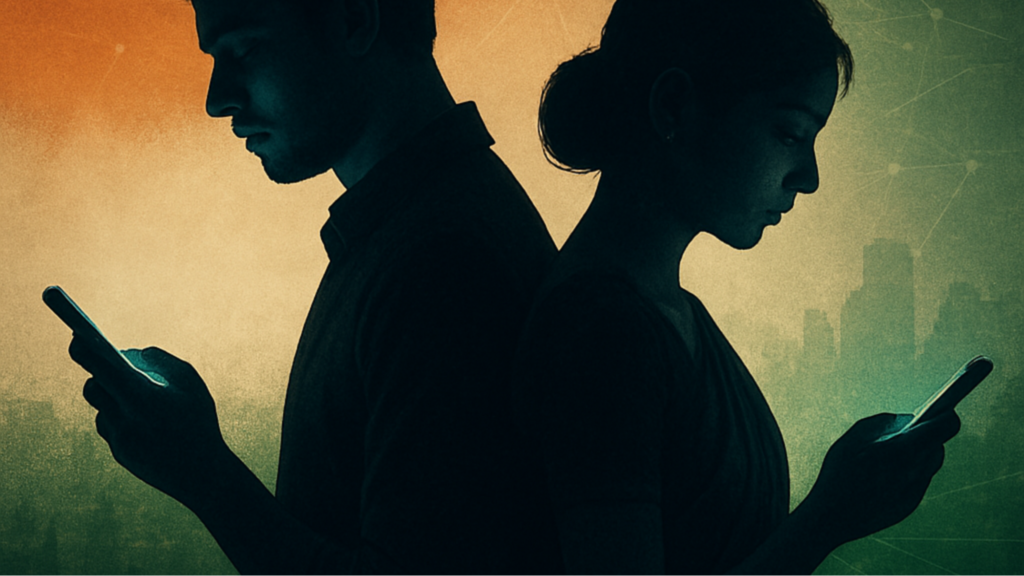
Key Insights
- Emotional expectations in relationships have increased, with modern partners seeking deeper connection, communication, and compatibility beyond traditional roles.
- Marital loneliness is rising, as busy lifestyles and emotional disconnect push individuals to seek understanding and companionship outside their primary relationships.
- Women’s independence and empowerment have reshaped relationship dynamics, enabling them to prioritise personal well-being, set boundaries, and challenge outdated norms.
- Digital platforms now influence emotional behaviour, offering anonymous and accessible spaces for people to express vulnerabilities, seek support, and build connections.
- Non-traditional relationship models are becoming more accepted, as younger Indians prioritise mental health, compatibility, and individual growth over societal expectations.
Relationships in India are evolving faster than ever before. What was once a society primarily guided by tradition, family expectations, and clearly defined gender roles is now moving toward personal autonomy, emotional exploration, and self-awareness. With rapid urbanisation, digital influence, and rising individual aspirations, people are redefining what partnership, love, and fulfilment mean to them. These changes reflect not only shifting mindsets but also deeper emotional needs that are becoming more visible and openly discussed.
Below, we explore the major trends shaping modern Indian relationships today.
1. Changing Expectations Within Marriage
Marriage in India has long been seen as a stable and permanent institution rooted in family values and societal norms. However, modern couples increasingly expect emotional intimacy, intellectual partnership, mutual respect, and shared responsibilities. People now look for a partner who contributes equally- not just financially, but emotionally and mentally as well. As individuals evolve, so do their expectations from a spouse, making compatibility and communication central to a successful marriage. When these expectations remain unmet, silent dissatisfaction often grows beneath the surface, prompting couples to introspect about their long-term happiness.
2. The Rise of Emotional Loneliness Despite Being Married
A significant trend in India today is the increase in emotional loneliness among married individuals. Even in seemingly stable relationships, many feel disconnected or unheard due to work pressure, lifestyle changes, or mismatched priorities. Over time, conversations become transactional, intimacy declines, and emotional distance widens.
This loneliness is often not expressed openly because of fear of judgement or societal pressure, leading many to seek emotional comfort elsewhere—through friends, online communities, private conversations, or even a private detective agency in Kolkata for discreet insights into their partner’s behavior
3. Increasing Female Independence and Choice
Women in India are experiencing newfound financial independence and personal autonomy. With careers, education, and exposure to diverse lifestyles, women are more empowered to define their own relationship boundaries. They no longer feel compelled to stay silent in unsatisfying marriages or accept traditional gender expectations unquestioningly.
This shift has led to more women prioritising their emotional needs, mental health, and personal happiness. They are more willing to take bold decisions- whether that means seeking help, setting boundaries, or ending toxic dynamics to reclaim control over their lives.
4. Digital Platforms Influencing Relationship Behaviour
Technology has transformed the way Indians connect and communicate. Social media, messaging apps, online communities, and anonymous platforms have opened up new avenues for emotional interaction. These digital spaces allow individuals to share their thoughts freely, seek support, and form connections that might feel difficult in real-world settings.
The privacy and accessibility of digital communication often make it easier for people to express vulnerability, discuss struggles, or seek companionship outside their immediate social circle. As a result, relationships today exist not just offline but across multiple digital dimensions.
5. Growing Acceptance of Non-Traditional Relationship Models
Contemporary India is becoming increasingly open to diverse relationship formats. Live-in partnerships, delayed marriages, inter-cultural relationships, and choosing to remain unmarried are now more acceptable in urban areas. These shifts stem from a desire for compatibility, stability, and personal growth rather than societal approval.
Younger generations especially value emotional well-being and independence over conforming to traditional timelines. This evolving mindset has encouraged more honest conversations about love, commitment, and what truly makes a relationship sustainable.
6. Relationship Fatigue in Fast-Paced Urban Life
Urban life brings tremendous opportunities- but also immense pressure. Long working hours, high stress levels, financial demands, and limited time for personal connections often take a toll on relationships. Couples find themselves emotionally drained, leaving little room for meaningful conversation or intimacy.
This fatigue can gradually weaken bonding, reduce patience, and create misunderstandings. Many couples struggle to maintain work-life balance, leading to emotional burnout and a lack of fulfillment within the relationship.
7. The Search for Validation and Companionship
One of the strongest emerging trends is the universal desire for validation and companionship. People want to feel valued, heard, and appreciated- not just by their partners, but in their overall emotional landscape. When these needs are not met, individuals naturally seek positive attention, emotional comfort, or meaningful conversations elsewhere.
This search is often less about disloyalty and more about filling emotional voids. Humans thrive on connection, and when relationships fail to provide depth, individuals gravitate toward sources that offer empathy, understanding, and validation.
Conclusion
India’s relationship landscape is undergoing a significant transformation. Changing expectations, evolving lifestyles, emotional needs, and digital influences have all contributed to a complex yet illuminating shift in how people approach love and companionship. As individuals prioritise happiness and well-being, traditional norms are being re-evaluated and redefined. Understanding these trends is essential to appreciating the emotional realities shaping modern partnerships today.
Keep visiting Cat’s Eyes blog for more insights and updates on modern relationship trends.
If you need professional personal investigation regarding relationship concerns, you can contact us for completely confidential help.